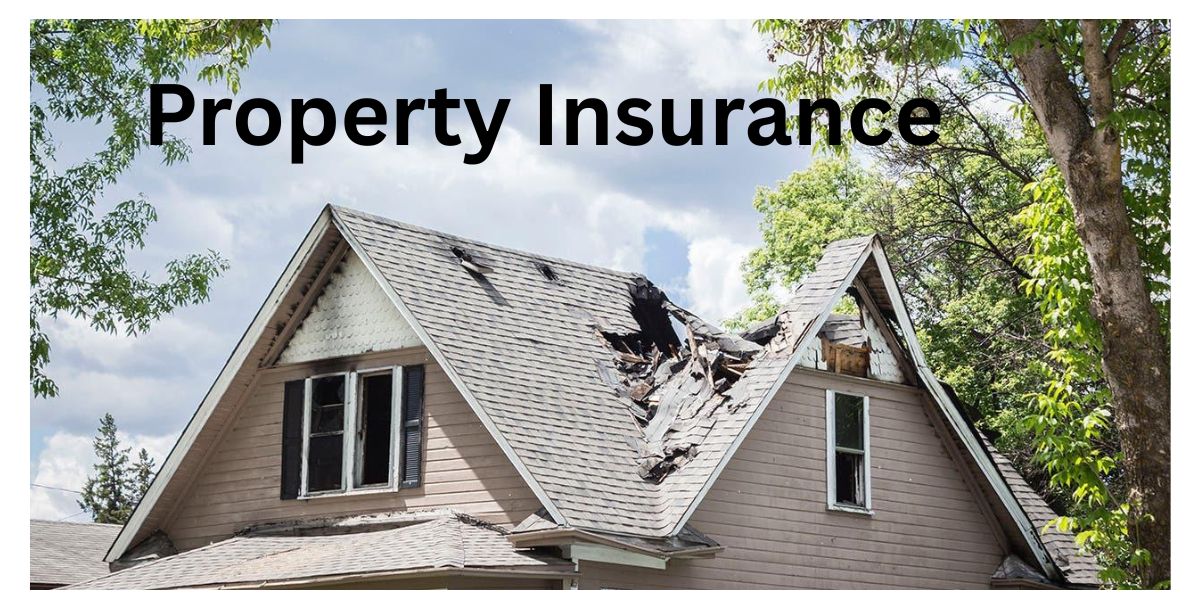
1. What Property Insurance Actually Covers
Core coverage areas:
- Structure (Dwelling): Repairs/rebuild if your house is damaged (fire, storm, etc.)
- Personal belongings: Furniture, electronics, clothes
- Liability protection: If someone gets injured on your property
- Additional living expenses: Temporary housing if your home becomes uninhabitable
Important: Coverage depends on your policy—always read the fine print.
2. What Is Not Covered (Common Exclusions)
Typical exclusions:
- Flood damage (usually requires separate flood insurance)
- Earthquakes
- Wear and tear / poor maintenance
- Pest damage (e.g., termites)
In places prone to flooding (like parts of Lagos), this is especially critical.
3. Replacement Cost vs. Market Value
A key concept many people misunderstand:
- Replacement Cost: What it costs to rebuild your home today
- Market Value: What your home would sell for
Insurance should be based on replacement cost, not market price.
4. Deductibles: Your Out-of-Pocket Share
- This is the amount you pay before insurance kicks in
- Higher deductible = lower premium
- Lower deductible = higher premium
Choose a deductible you can realistically afford in an emergency.
5. Inventory Your Belongings
Best practices:
- Take photos/videos of every room
- Keep receipts for valuable items
- Store records digitally (cloud storage)
This speeds up claims and prevents disputes.
6. Understand Policy Limits
Every category has a maximum payout limit:
- Jewelry 💍
- Electronics 💻
- Cash 💵
Expensive items may need additional coverage (riders).
7. Liability Protection Matters More Than You Think
If someone is injured in your home:
- Medical bills
- Legal costs
- Compensation claims
A good liability limit can protect you from serious financial loss.
8. Review and Update Your Policy Regularly
Life changes = coverage should too.
Update after:
- Renovations
- Buying expensive items
- Inflation increases building costs
Review your policy at least once a year.
9. Filing a Claim: What to Do First
If something happens:
- Ensure safety first
- Document damage (photos/videos)
- Report to your insurer immediately
- Keep receipts for emergency repairs
Acting quickly improves your chances of a smooth claim.
10. Local Risks Matter (Very Important)
Your coverage should reflect your environment:
- Flood-prone areas → get flood insurance
- High-crime areas → ensure theft coverage
- Storm-heavy regions → check wind damage limits
Conclusion
Property insurance is not just a formality—it’s a financial safety net. The biggest mistakes homeowners make are:
- Underinsuring their home
- Ignoring exclusions
- Not documenting belongings