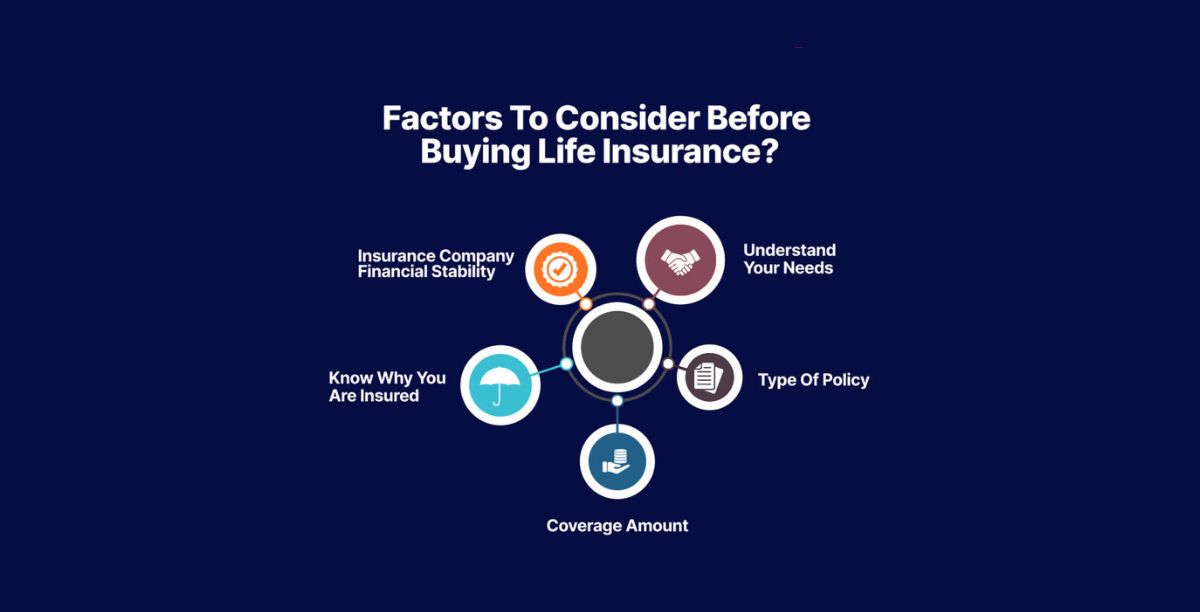
Factors To Consider Before Buying Life Insurance
Life insurance is one of the most important financial decisions you can make for yourself and your loved ones. It provides financial protection and peace of mind in the event of unexpected circumstances. However, choosing the right life insurance policy requires careful planning and understanding of your personal needs. Before purchasing any policy, it is important to evaluate several factors to ensure you make the best choice.
1. Understand Your Financial Needs
The first thing to consider is why you need life insurance. Different people buy life insurance for different reasons, such as:
- Providing financial support for family members
- Paying off debts or loans
- Covering funeral expenses
- Funding children’s education
- Replacing lost income
- Building long-term savings
Knowing your financial goals will help you determine the type and amount of coverage you need.
2. Choose the Right Type of Life Insurance
There are different types of life insurance policies available, and each serves a different purpose.
Term Life Insurance
This provides coverage for a specific period, such as 10, 20, or 30 years. It is usually more affordable and suitable for temporary financial responsibilities.
Whole Life Insurance
This offers lifetime coverage and may include a cash value component that grows over time. Premiums are generally higher than term insurance.
Universal Life Insurance
This policy combines life coverage with investment or savings features and offers flexible premiums.
Understanding the differences between these options will help you select the policy that best matches your financial situation.
3. Consider Your Budget
Life insurance premiums should comfortably fit into your monthly or yearly budget. While it may be tempting to choose a large coverage amount, it is important to select a policy you can consistently afford.
Compare:
- Monthly premiums
- Annual costs
- Hidden charges
- Long-term payment obligations
A good policy should provide adequate protection without causing financial strain.
4. Determine the Right Coverage Amount
Choosing the correct coverage amount is very important. Too little coverage may leave your family financially vulnerable, while too much coverage may become unnecessarily expensive.
Consider:
- Your annual income
- Outstanding debts
- Mortgage payments
- Future educational expenses
- Family living costs
- Existing savings and investments
Many financial experts recommend coverage that equals several years of your annual income.
5. Check the Insurance Company’s Reputation
Before buying a policy, research the insurance provider carefully. A reliable company should have:
- Strong financial stability
- Positive customer reviews
- Good claim settlement history
- Excellent customer service
Choosing a reputable insurer increases the chances that claims will be processed quickly and fairly when needed.
6. Understand the Policy Terms and Conditions
Always read the policy details carefully before signing. Pay close attention to:
- Exclusions
- Waiting periods
- Renewal conditions
- Premium payment rules
- Claim procedures
Some policies may not cover certain medical conditions or risky activities. Understanding these details helps you avoid surprises later.
7. Evaluate Your Health Condition
Your age and health status significantly affect the cost of life insurance. Generally, younger and healthier individuals receive lower premium rates.
Insurance companies may review:
- Medical history
- Lifestyle habits
- Smoking or alcohol use
- Existing health conditions
- Family medical history
Buying life insurance early can help you secure lower premiums and better coverage.
8. Consider Your Family Situation
Your marital status and number of dependents play a major role in determining your insurance needs. If you have children, a spouse, or aging parents who depend on your income, adequate life insurance becomes even more important.
Think about:
- Number of dependents
- Future family responsibilities
- Childcare and education costs
- Household expenses
9. Review Riders and Additional Benefits
Many insurers offer optional add-ons known as riders. These provide extra protection for specific situations.
Common riders include:
- Critical illness coverage
- Disability benefits
- Accidental death benefits
- Waiver of premium rider
Although riders may increase premiums, they can provide valuable financial support during emergencies.
10. Compare Multiple Policies
Do not rush into buying the first policy you see. Compare several insurance plans from different providers to find the best value.
Look at:
- Premium costs
- Coverage benefits
- Claim settlement ratio
- Policy flexibility
- Customer support
Comparing options helps you make a more informed and cost-effective decision.
11. Think About Long-Term Goals
Life insurance should align with your future financial plans. Consider whether the policy can support:
- Retirement planning
- Wealth transfer
- Business protection
- Estate planning
Your financial responsibilities may change over time, so choose a policy that can adapt to your future needs.
12. Seek Professional Advice
If you are unsure about which policy to choose, consider speaking with a licensed insurance advisor or financial planner. Professional guidance can help you understand complex terms and select suitable coverage based on your goals and budget.
Conclusion
Buying life insurance is a major financial commitment that should never be rushed. By carefully evaluating your financial needs, budget, health condition, coverage options, and the insurer’s reputation, you can choose a policy that offers the right protection for you and your family.
The right life insurance plan not only provides financial security but also gives peace of mind knowing your loved ones will be protected in the future.